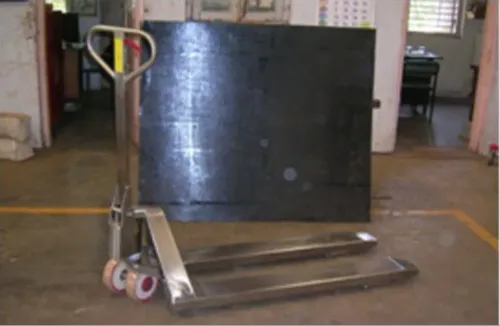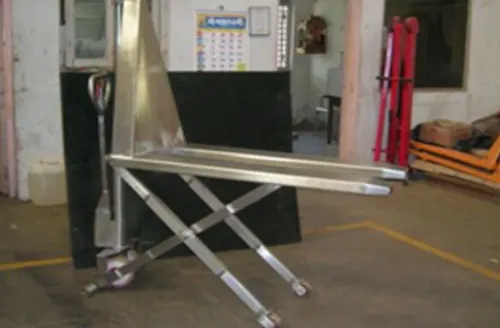
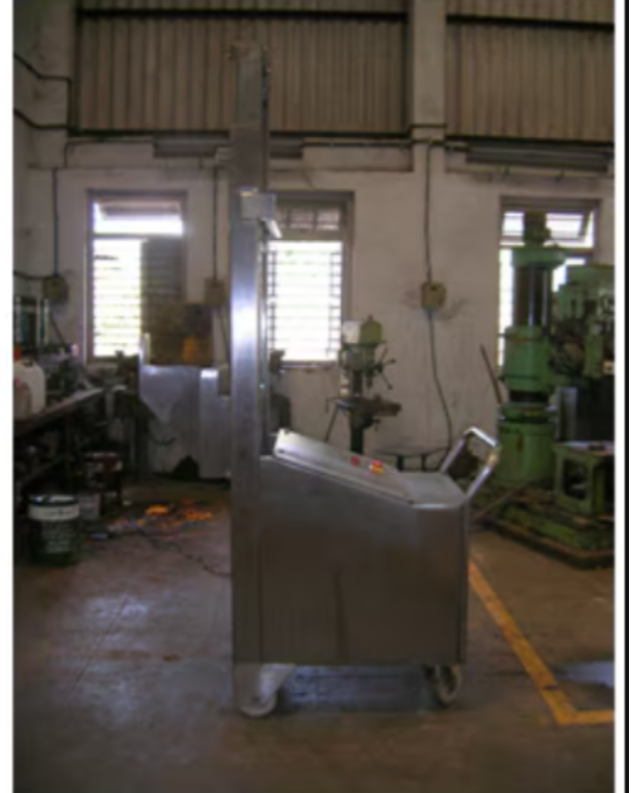
Many manufacturing industries rely on Intermediate Product Containers (IPCs) to store and transfer powders, granules, and semi-processed materials. Handling these containers manually can be time-consuming and physically demanding, especially in industries where cleanliness and precision are essential. An Intermediate Product Container Lifter is designed to simplify lifting, positioning, and discharging operations while supporting efficient production workflows.
Industries across Mumbai and Maharashtra increasingly use these lifting systems to improve operational consistency and workplace safety.
What Is an Intermediate Product Container Lifter?
An Intermediate Product Container Lifter is specialised equipment that lifts and positions IPCs at suitable heights for transferring materials into processing equipment.
It is commonly used in:
- Pharmaceutical manufacturing
- Food processing
- Chemical production
- Nutraceutical industries
- Cosmetic manufacturing
- Powder processing plants
Why Proper Container Handling Matters
Incorrect lifting methods may lead to:
- Material contamination
- Operator injuries
- Product loss
- Inconsistent production
- Equipment damage
- Extended processing time
Using dedicated lifting equipment helps reduce these operational risks.
Key Benefits
Improved Workplace Safety
Mechanical lifting reduces manual handling of heavy containers, lowering the likelihood of workplace injuries.
Better Production Efficiency
Containers can be positioned accurately, reducing delays during material transfer.
Cleaner Material Handling
Controlled lifting helps minimise spills and maintains cleaner production environments.
Consistent Product Flow
Reliable positioning supports uninterrupted manufacturing processes.
Greater Equipment Compatibility
Many lifters are designed to integrate with different processing systems.
How to Select the Right IPC Lifter
Businesses should evaluate:
- Container capacity
- Required lift height
- Production layout
- Material characteristics
- Safety features
- Automation requirements
- Maintenance accessibility
Choosing equipment based on actual production needs improves long-term performance.
Best Practices for Reliable Operation
For consistent performance:
- Conduct regular inspections.
- Verify lifting mechanisms before use.
- Train operators thoroughly.
- Follow recommended load limits.
- Schedule preventive maintenance.
These practices improve equipment reliability and workplace safety.
Supporting Modern Manufacturing
As pharmaceutical, food, and process industries continue expanding in Mumbai, efficient container handling remains an important part of production planning. Companies such as Robotic Equipments manufacture intermediate product container lifters that support controlled material handling across demanding industrial environments.
Selecting the appropriate lifting solution can improve operational efficiency, support product quality, and contribute to safer manufacturing practices.