
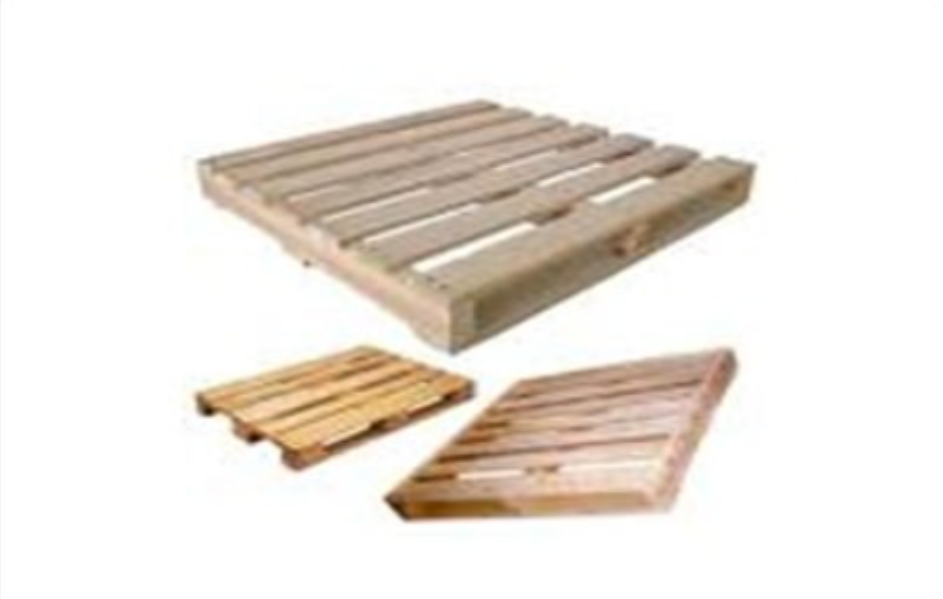
Wooden pallets remain one of the most familiar material-handling platforms in warehouses, factories, distribution centres, and transport operations. Their basic purpose is straightforward: they create a stable base on which cartons, bags, components, containers, and other goods can be stored or moved using suitable handling equipment.
For businesses evaluating Wooden Pallets, the important consideration is not simply whether a pallet can carry a load. Size, construction, load distribution, storage conditions, handling method, and intended application all influence how effectively a pallet performs.
Across Mumbai and other industrial areas of Maharashtra, pallets are commonly used where goods need to move between production, storage, dispatch, and transportation stages.
Why Wooden Pallets Are Widely Used
One of the main advantages of wooden pallets is their versatility. Depending on their design and specifications, they can support applications involving packaged products, engineering components, raw materials, finished goods, and general warehouse inventory.
They can also simplify forklift and pallet-truck handling by creating defined entry points beneath the load.
A properly selected pallet can help:
- Keep materials raised from the floor
- Organize inventory into manageable unit loads
- Reduce unnecessary manual handling
- Support systematic warehouse stacking
- Simplify loading and unloading
- Improve movement between work areas
However, these benefits depend on matching the pallet to the actual application.
Load Characteristics Matter
A pallet carrying evenly distributed cartons experiences a different loading pattern from one carrying concentrated machinery components. Buyers should therefore consider both the total load and how that weight will be positioned.
Static loads, dynamic loads, and loads handled on warehouse equipment can place different demands on pallet construction.
Dimensions are equally important. A pallet that does not match the goods being transported may leave excessive overhang or unused surface area. Both situations can reduce handling efficiency.
Storage Conditions Should Be Considered
Warehouse conditions can influence pallet selection as well. Moisture, repeated handling, outdoor exposure, floor conditions, and storage duration should be assessed before deciding what type of pallet is appropriate.
Businesses should also examine how pallets interact with forklifts, hydraulic pallet trucks, racking arrangements, loading bays, and transport vehicles.
This system-based approach is particularly useful in busy Mumbai facilities where space and material movement need to be carefully coordinated.
Selecting Pallets for the Application
Rather than purchasing wooden pallets based only on dimensions or initial price, buyers should review their complete material-handling process.
Useful questions include: What will be placed on the pallet? How frequently will it move? Which equipment will handle it? Will it be stacked or racked? What environmental conditions will it encounter?
Robotic Equipments works with industrial and warehouse customers in Mumbai requiring practical material-handling solutions. Defining the load, handling cycle, operating environment, and equipment interface before selecting Wooden Pallets can help create a safer and more organized movement process throughout the facility.