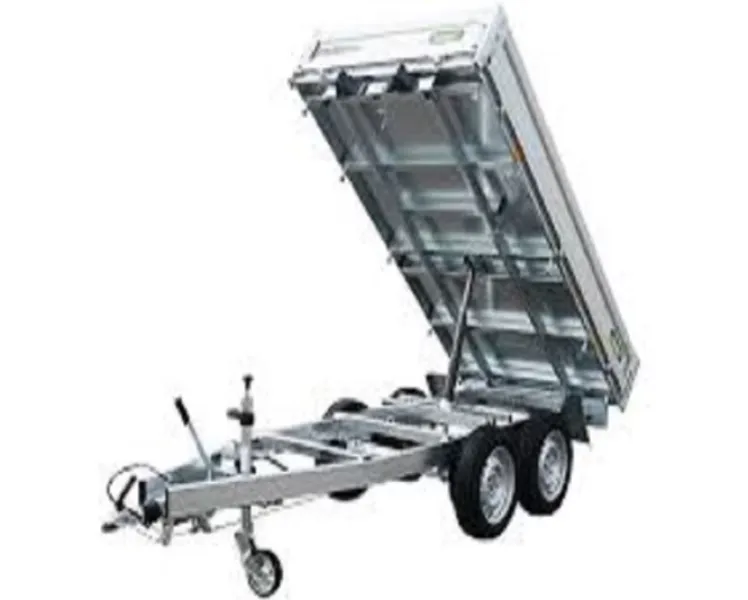
Moving bulk materials quickly and safely is a daily requirement in manufacturing plants, warehouses, foundries, and engineering facilities. A Rear Dumper is designed to simplify this task by allowing operators to unload heavy materials with minimal manual effort. Whether handling scrap, raw materials, or production waste, selecting the right dumper can improve workflow while supporting a safer working environment.
Industrial businesses across Mumbai and Maharashtra often evaluate rear dumpers based on operational needs rather than simply choosing the highest capacity model. Understanding the intended application is the first step toward making an informed decision.
What Is a Rear Dumper?
A rear dumper is a material handling trolley or container equipped with a tilting mechanism that unloads its contents from the rear. Instead of manually emptying heavy loads, operators can discharge materials quickly and with greater control.
Rear dumpers are commonly used for:
- Metal scrap handling
- Industrial waste collection
- Foundry applications
- Engineering workshops
- Manufacturing plants
- Warehouses
- Recycling facilities
Factors to Consider Before Selecting a Rear Dumper
Not every dumper suits every industrial environment. Before purchasing, businesses should assess:
- Required load capacity
- Type of material being transported
- Frequency of unloading
- Floor conditions
- Available aisle space
- Manual or powered operation
- Safety requirements
Matching these factors to daily operations helps improve long-term efficiency.
Benefits of Using the Right Rear Dumper
A properly selected rear dumper offers several advantages:
- Faster unloading operations
- Reduced manual lifting
- Better operator safety
- Improved housekeeping
- Lower material spillage
- More organised workflow
These benefits contribute to smoother production and reduced operational interruptions.
Common Mistakes to Avoid
Some businesses encounter avoidable issues by overlooking important considerations.
Typical mistakes include:
- Selecting insufficient load capacity.
- Ignoring floor surface conditions.
- Choosing equipment without considering turning radius.
- Skipping routine maintenance.
- Using the dumper for materials beyond its intended purpose.
Avoiding these mistakes helps maximise equipment performance and service life.
Importance of Regular Maintenance
Routine inspections should include:
- Wheel condition
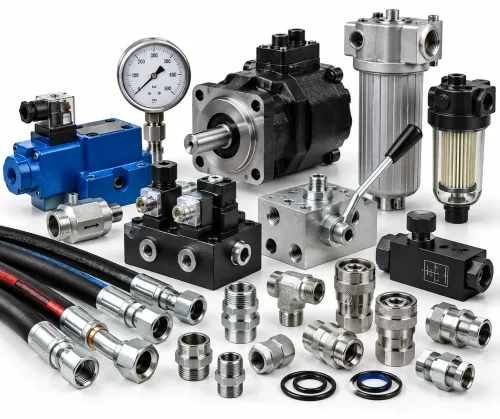
- Hydraulic components
- Tilting mechanism
- Structural welds
- Safety locking systems
- Fasteners and moving parts
Preventive maintenance reduces unexpected downtime and supports safe operation.
Supporting Efficient Industrial Operations
As manufacturing and logistics activities continue expanding throughout Mumbai, businesses increasingly seek material handling equipment that balances productivity with workplace safety. Companies such as Robotic Equipments manufacture rear dumpers designed for a variety of industrial applications where dependable performance is essential.
Selecting equipment based on operational requirements rather than short-term cost can improve efficiency, reduce manual handling challenges, and contribute to smoother industrial processes.
Keywords