Hydraulic equipment plays an important role in manufacturing, construction, warehousing, and industrial automation. Behind many hydraulic machines is a compact yet powerful unit known as an electro-hydraulic power pack. This system generates and controls hydraulic pressure required to operate cylinders, lifting platforms, presses, dock levelers, stackers, and numerous other industrial machines.
Industries across Mumbai increasingly depend on electro-hydraulic power packs because they provide reliable, controlled power while supporting a wide range of hydraulic applications.
What Is an Electro-Hydraulic Power Pack?
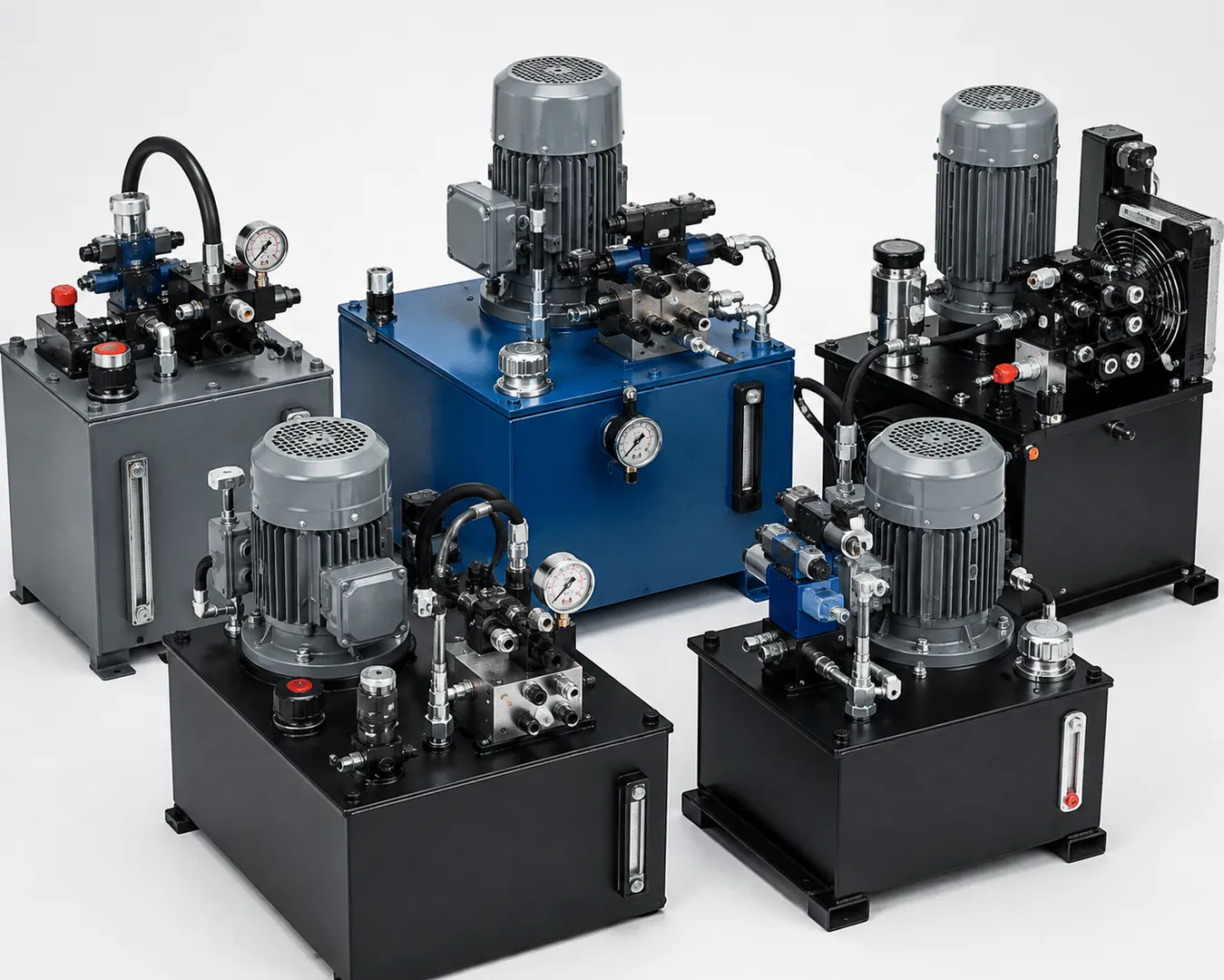
An electro-hydraulic power pack combines an electric motor, hydraulic pump, oil reservoir, valves, filters, and control components into a single integrated system.
When the electric motor operates, it drives the hydraulic pump, generating pressurized hydraulic fluid that powers connected machinery.
These compact systems can be customized for different pressure requirements, flow rates, and industrial applications.
Where Electro-Hydraulic Power Packs Are Used
Electro-hydraulic power packs support many industrial systems, including:
- Dock levelers
- Scissor lifting platforms
- Hydraulic presses
- Material handling equipment
- Industrial automation systems
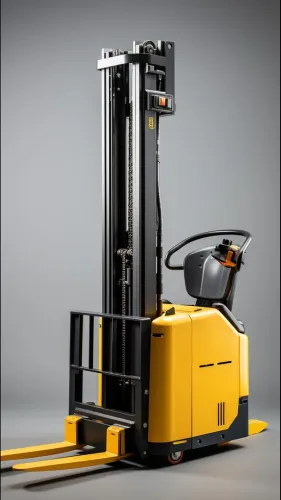
- Hydraulic stackers
- Machine tools
- Construction equipment
- Custom hydraulic machinery
Their flexibility allows engineers to design hydraulic systems for numerous industrial processes.
Advantages of Electro-Hydraulic Power Packs
Businesses prefer these systems because they offer dependable and consistent hydraulic performance.
Some important advantages include:
- Compact design
- High power efficiency
- Reliable pressure generation
- Smooth machine operation
- Easy integration with hydraulic equipment
- Reduced manual effort
- Customizable configurations
- Long service life with proper maintenance
These features make them suitable for demanding industrial operations.
Components of a Typical Power Pack
Understanding the major components helps businesses select the right system.
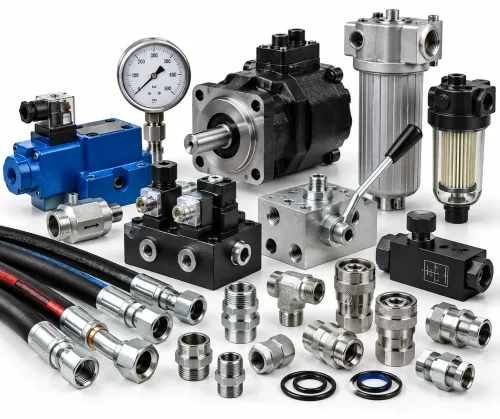
A standard electro-hydraulic power pack typically includes:
- Electric motor
- Hydraulic pump
- Oil reservoir
- Pressure relief valve
- Directional control valves
- Hydraulic filters
- Pressure gauges
- Hydraulic hoses and fittings
Each component contributes to safe and efficient hydraulic performance.
Choosing the Right Power Pack
Selecting an appropriate power pack depends on application-specific requirements.
Important considerations include:
- Required operating pressure
- Oil flow rate
- Motor power
- Tank capacity
- Duty cycle
- Control system
- Installation space
- Environmental conditions
Careful specification ensures reliable long-term operation.
Maintenance Recommendations
Like any hydraulic equipment, power packs require regular maintenance.
Best practices include:
- Monitor hydraulic oil levels.
- Replace filters periodically.
- Inspect hoses for leakage.
- Check electrical connections.
- Monitor operating pressure.
- Use recommended hydraulic oil.
- Schedule preventive inspections.
Routine maintenance improves efficiency while extending equipment life.
Supporting Industrial Growth Through Reliable Hydraulics
As manufacturing technology advances, industries increasingly rely on dependable hydraulic systems that deliver consistent performance under demanding operating conditions. Electro-hydraulic power packs provide the controlled power necessary for efficient lifting, pressing, automation, and material handling applications.
Manufacturers throughout Mumbai require hydraulic solutions that combine reliability with application-specific engineering. Robotic Equipments develops electro-hydraulic power packs tailored to industrial requirements, supporting efficient operation across a wide range of hydraulic machinery while helping businesses improve productivity, equipment performance, and long-term operational reliability.
Keywords