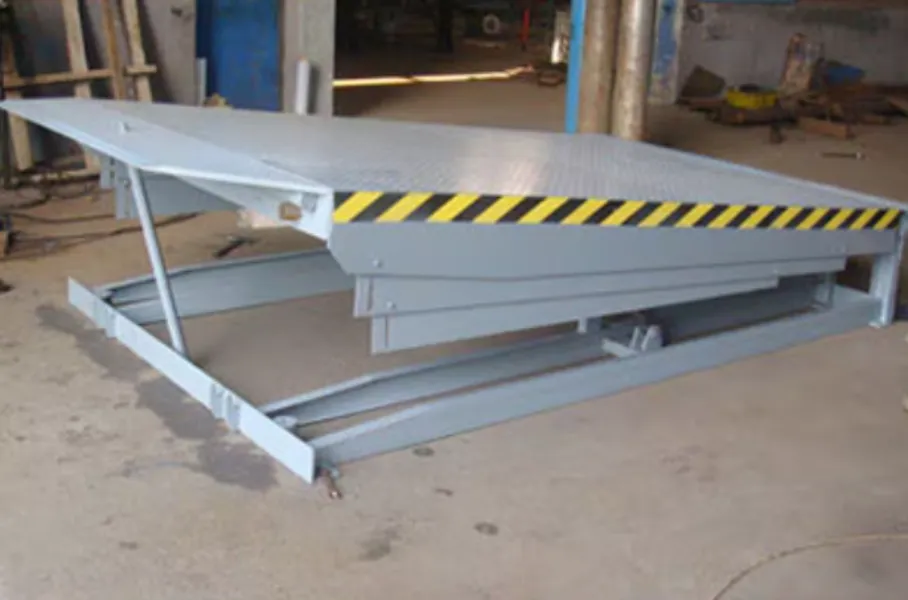
Efficient loading and unloading operations are essential for warehouses, distribution centres, and manufacturing facilities where goods move in and out throughout the day. One piece of equipment that significantly improves these operations is the Dock Leveler. Designed to bridge the height difference between a loading dock and a vehicle, dock levelers help create a safer and more stable transfer point for materials and equipment.
For industries across Mumbai and Maharashtra, where logistics operations are often fast-paced, investing in the right loading dock equipment can improve productivity while reducing workplace risks.
What Is a Dock Leveler?
A dock leveler is a platform installed at a loading dock that creates a smooth transition between the warehouse floor and a truck or container. Since vehicle heights can vary, the leveler adjusts to compensate for these differences, allowing forklifts, pallet trucks, and material handling equipment to move safely.
Dock levelers are commonly used in:
- Manufacturing facilities
- Warehouses
- Distribution centres
- FMCG industries
- Pharmaceutical plants
- Logistics hubs
- Automotive component manufacturers
Why Height Differences Can Be Problematic
Without a dock leveler, loading personnel often deal with uneven gaps between the dock and the vehicle. This can result in:
- Product damage during movement
- Equipment instability
- Increased loading time
- Higher risk of operator injury
- Excessive wear on forklifts and pallet trucks
A properly installed dock leveler eliminates many of these challenges by providing a consistent loading surface.
Key Benefits of Dock Levelers
Improved Workplace Safety
A stable loading platform helps minimise accidents caused by uneven dock heights, reducing the chances of slips, trips, and equipment tipping.
Faster Material Movement
Forklifts and pallet trucks can move smoothly between the warehouse and vehicle without unnecessary interruptions, helping reduce loading and unloading time.
Reduced Product Damage
Stable movement protects cartons, pallets, machinery, and fragile goods from impact during transport.
Increased Equipment Life
When forklifts travel over smooth transitions instead of uneven edges, tyre wear and mechanical stress are reduced.
Better Operational Efficiency
Loading teams can work more consistently without making manual adjustments for different truck heights.
Choosing the Right Dock Leveler
Before selecting a dock leveler, businesses should evaluate:
- Load capacity requirements
- Frequency of loading operations
- Vehicle types handled
- Dock dimensions
- Environmental conditions
- Maintenance requirements
Selecting equipment based solely on purchase price may not provide the best long-term value.
Maintenance Matters
Like any industrial equipment, dock levelers perform best when maintained regularly. Routine inspections should include:
- Hydraulic system checks
- Platform alignment
- Lip operation
- Structural components
- Safety mechanisms
- Lubrication of moving parts
Preventive maintenance helps minimise downtime and extends equipment life.
Supporting Efficient Material Handling
As industrial operations continue to expand across Mumbai, businesses are increasingly focusing on safer and more efficient warehouse infrastructure. Companies such as Robotic Equipments manufacture dock levelers designed to support demanding industrial applications while meeting the operational needs of modern warehouses and production facilities.
Choosing equipment that matches operational requirements helps improve safety, reduce delays, and create a more efficient loading process that supports long-term productivity.
Keywords