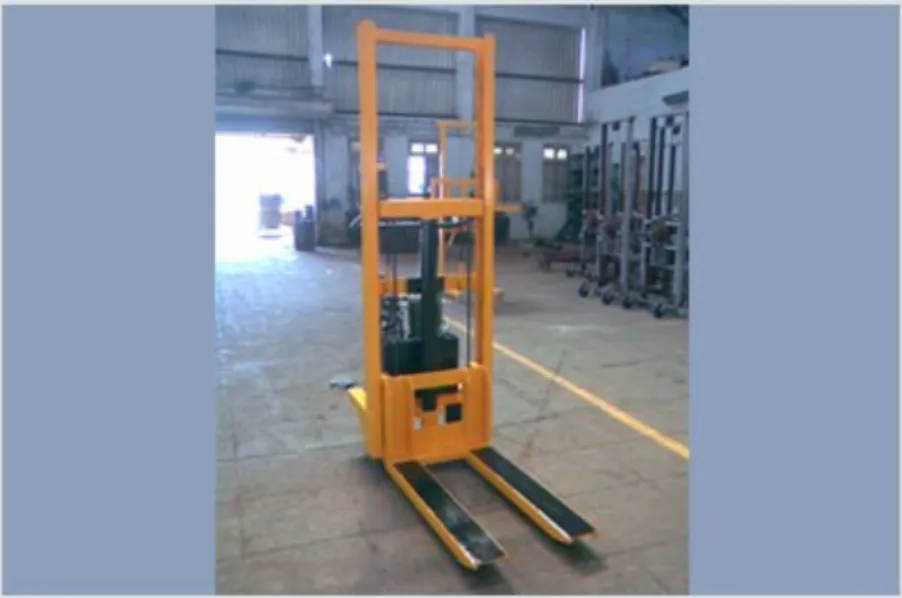
As warehouses grow and inventory volumes increase, businesses often need equipment that can lift and stack pallets efficiently without investing in large powered machines. A manual hydraulic stacker offers an economical solution for handling medium-duty lifting applications while improving workplace safety and operational efficiency.
Manufacturing facilities, warehouses, retail distribution centres, and engineering workshops across Mumbai frequently use manual hydraulic stackers to organize inventory, load vehicles, and maximize storage space.
What Is a Manual Hydraulic Stacker?
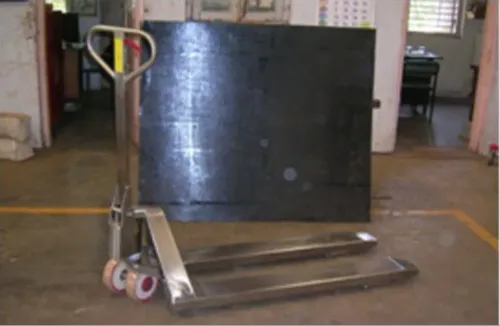
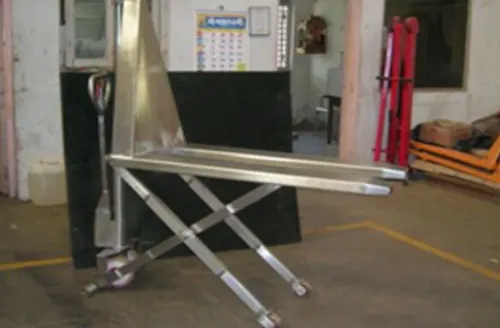
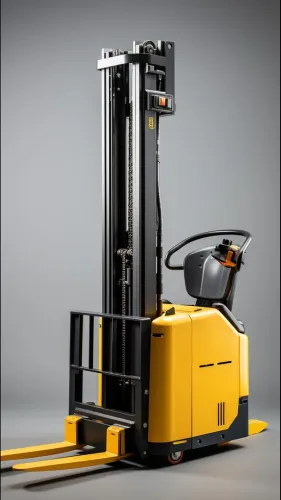
A manual hydraulic stacker is a lifting device designed to raise, transport, and stack palletized goods using a hydraulic mechanism operated manually by the user.
Unlike forklifts, manual stackers require no fuel or batteries, making them suitable for indoor applications where simple, reliable lifting is required.
They are commonly available in different lifting heights and load capacities to meet varied industrial requirements.
Benefits of Manual Hydraulic Stackers
Many businesses choose manual stackers because they balance affordability with dependable performance.
Their key advantages include:
- Lower operating costs
- No fuel consumption
- Simple maintenance
- Easy operation
- Compact design
- Improved warehouse organization
- Better utilization of vertical storage space
For businesses with moderate lifting requirements, these advantages make manual stackers a practical investment.
Suitable Applications
Manual hydraulic stackers are widely used for:
- Warehouse storage
- Loading delivery vehicles
- Production line support
- Inventory movement
- Retail stock handling
- Packaging departments
- Manufacturing facilities
Their compact footprint allows operators to work efficiently in confined warehouse spaces.
Choosing the Right Stacker
Selecting an appropriate stacker requires understanding daily operational needs.
Important considerations include:
- Maximum lifting height
- Load capacity
- Fork dimensions
- Aisle width
- Floor conditions
- Frequency of operation
Matching equipment specifications to operational demands improves productivity and safety.
Safety Best Practices
Safe operation should always remain a priority.
Operators should:
- Inspect equipment before use.
- Never exceed rated capacity.
- Position loads evenly.
- Keep pathways clear.
- Operate on stable surfaces.
- Lower loads carefully after transportation.
Proper training helps reduce workplace accidents while protecting inventory.
Manual Stacker vs Electric Stacker
Businesses often compare manual and electric stackers before making a purchase.
Manual hydraulic stackers are generally preferred when:
- Daily lifting volumes are moderate.
- Budget is limited.
- Maintenance simplicity is important.
- Indoor operations require quiet equipment.
- Power supply is unavailable.
Electric stackers become more suitable where high-frequency lifting or continuous warehouse operations demand greater productivity.
Extending Equipment Life
Regular maintenance helps maintain reliable performance.
Recommended practices include:
- Lubricating moving parts
- Inspecting hydraulic components
- Checking wheels regularly
- Tightening fasteners
- Cleaning equipment after use
- Replacing worn components promptly
Preventive maintenance reduces downtime and extends equipment lifespan.
As warehouse operations throughout Mumbai continue to expand, businesses increasingly seek practical lifting solutions that balance performance with affordability. Robotic Equipments manufactures manual hydraulic stackers designed to support efficient material handling, helping industries improve storage, streamline inventory movement, and maintain safe warehouse operations without unnecessary operational complexity.
Keywords