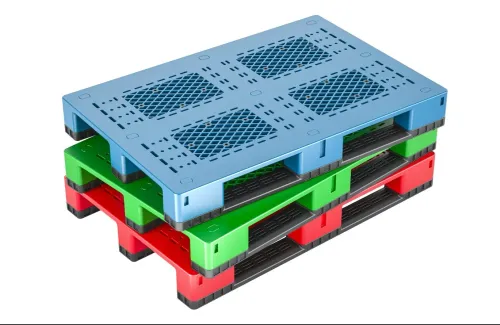
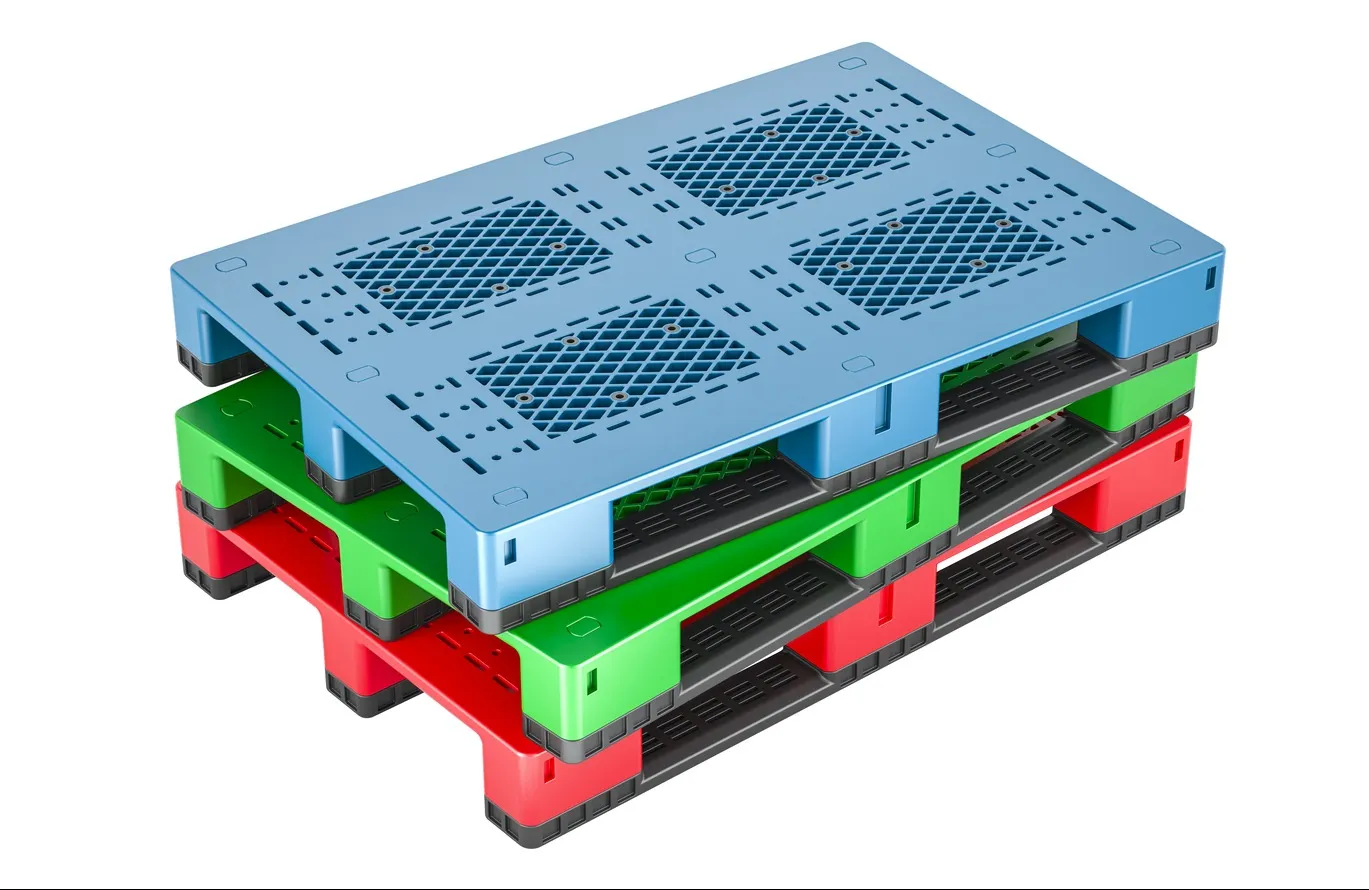
Plastic pallets have become increasingly popular in modern warehouses, manufacturing plants, food processing units, and pharmaceutical facilities. Their durability, cleanliness, and resistance to moisture make them a preferred option for industries where hygiene and consistent performance are essential.
Businesses in Mumbai are continually upgrading warehouse infrastructure to improve efficiency, reduce maintenance costs, and support automated handling systems. As operations become more sophisticated, plastic pallets are often selected for applications where traditional wooden pallets may not offer the same long-term advantages.
What Makes Plastic Pallets Different?
Unlike wooden pallets, plastic pallets are manufactured using high-quality polymers that provide uniform dimensions and consistent structural strength.
They do not absorb moisture, splinter, or require frequent repairs, making them suitable for industries with strict cleanliness requirements.
Plastic pallets are commonly available in different sizes, load capacities, and configurations to suit diverse industrial operations.
Key Advantages of Plastic Pallets
Many businesses choose plastic pallets because they offer long service life and minimal maintenance.
Some of the major benefits include:
- Water-resistant construction
- Corrosion-free performance
- Easy cleaning and sanitization
- Lightweight handling
- Uniform dimensions
- Long operational life
- Suitable for automated warehouses
- Recyclable material options
These features contribute to improved warehouse efficiency while lowering maintenance efforts.
Industries That Commonly Use Plastic Pallets
Plastic pallets are widely adopted in sectors where hygiene and contamination control are important.
Examples include:
- Pharmaceutical manufacturing
- Food processing
- Beverage production
- Dairy industry
- Cold storage facilities
- Chemical manufacturing
- Electronics
- Medical equipment storage
These industries benefit from pallets that remain clean and structurally consistent over repeated use.
Comparing Plastic and Wooden Pallets
Choosing between plastic and wooden pallets depends on operational requirements rather than one material being universally better.
Plastic pallets generally offer:
- Better resistance to moisture
- Lower maintenance
- Longer lifespan
- Improved hygiene
- Consistent dimensions
- Reduced splinter risk
Wooden pallets often provide:
- Lower initial investment
- Easy repairability
- High load capacity
- Wide availability
- Cost-effective bulk purchasing
Understanding warehouse requirements helps determine which option delivers better long-term value.
Are Plastic Pallets Suitable for Heavy Loads?
Modern plastic pallets are available in designs capable of supporting substantial static and dynamic loads. Heavy-duty models can safely handle industrial equipment, packaged goods, and large inventory volumes.
However, businesses should always verify:
- Static load rating
- Dynamic load rating
- Racking capacity
- Temperature resistance
- Chemical compatibility
Matching the pallet specifications with operational needs ensures safe handling.
Maintenance Requirements
One of the biggest advantages of plastic pallets is their low maintenance.
Routine care usually involves:
- Regular cleaning
- Inspection for structural damage
- Avoiding excessive impact
- Proper storage when not in use
Since they do not require repairs like wooden pallets, maintenance costs remain relatively low throughout their service life.
Environmental Considerations
Many plastic pallets are manufactured using recyclable materials and can themselves be recycled after years of industrial use. Their longer lifespan also reduces replacement frequency, contributing to more sustainable warehouse operations.
Businesses focused on reducing waste often consider lifecycle cost rather than only the initial purchase price.
Selecting the Right Plastic Pallet
Every warehouse has different operational requirements. Factors such as storage systems, product weight, handling equipment, and transportation methods all influence pallet selection.
Businesses should evaluate:
- Application environment
- Hygiene requirements
- Automation compatibility
- Required load capacity
- Warehouse layout
- Transportation frequency
Choosing the right specification improves productivity while reducing operational interruptions.
Industrial manufacturers in Mumbai frequently require customized material handling solutions that integrate seamlessly with existing warehouse systems. Robotic Equipments supplies plastic pallets designed for various industrial applications, helping businesses improve storage efficiency while supporting safe and reliable material handling across different industries.
Keywords