Moving heavy materials safely within a factory or warehouse requires equipment that combines lifting capability with easy manoeuvrability. A Floor Crane is one of the most practical solutions for lifting and transporting heavy loads where overhead cranes may not be feasible.
Across manufacturing facilities in Mumbai and Maharashtra, floor cranes play an important role in improving workplace safety and handling efficiency while reducing manual lifting.
What Is a Floor Crane?
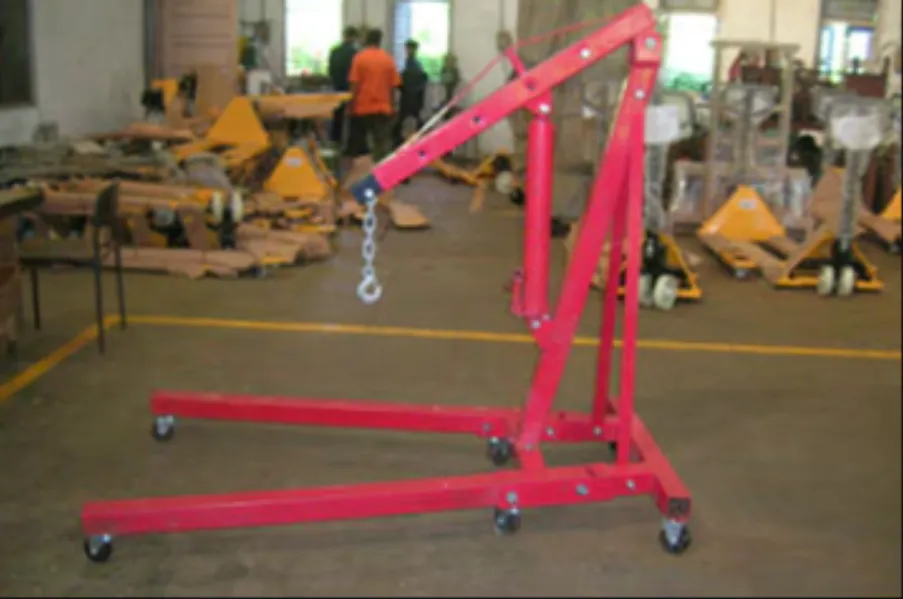
A floor crane is a mobile lifting device designed to lift, move, and position heavy objects within industrial environments. Unlike fixed lifting systems, it can be relocated wherever lifting is required, making it suitable for changing production layouts.
These cranes are widely used for:
- Machinery maintenance
- Production lines
- Tool room operations
- Warehouse handling
- Assembly units
- Equipment installation
- Heavy component movement
Industries That Commonly Use Floor Cranes
Manufacturing
Heavy machine parts often require precise positioning during production or maintenance. Floor cranes simplify these operations while improving operator safety.
Automotive
Engines, gearboxes, moulds, and industrial components can be lifted efficiently without relying entirely on overhead cranes.
Engineering Workshops
Fabrication units frequently use floor cranes for handling fabricated structures and heavy assemblies.
Warehousing
Large industrial equipment and bulky materials can be relocated with better control than manual handling methods.
Pharmaceutical and Food Processing
Specialised floor cranes may be used for equipment maintenance while maintaining operational efficiency.
Benefits of Using a Floor Crane
Businesses often choose floor cranes because they offer:
- Greater flexibility
- Reduced manual lifting
- Improved operator safety
- Better space utilisation
- Faster equipment maintenance
- Lower installation costs compared to fixed crane systems
These advantages contribute to smoother day-to-day industrial operations.
Factors to Consider Before Buying
Selecting the right floor crane involves evaluating several operational factors:
- Maximum lifting capacity
- Boom reach
- Lift height
- Floor conditions
- Mobility requirements
- Frequency of use
- Available workspace
Matching the crane to the intended application helps improve both safety and productivity.
Safety Best Practices
Operators should always:
- Stay within rated lifting capacity.
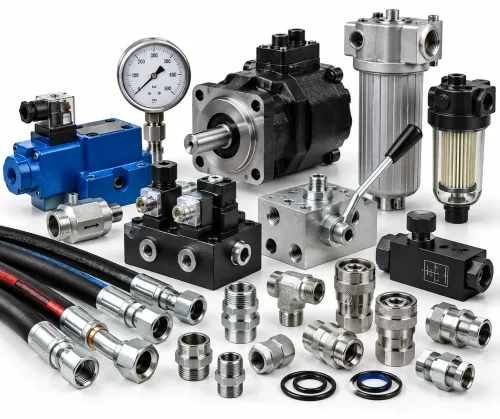
- Inspect hydraulic components regularly.
- Ensure loads are balanced before lifting.
- Keep lifting paths clear.
- Follow recommended operating procedures.
- Schedule preventive maintenance.
Proper training and routine inspections significantly reduce workplace risks.
Supporting Industrial Productivity
As manufacturing activities continue to grow across Mumbai, businesses are investing in versatile lifting equipment that adapts to evolving production needs. Manufacturers like Robotic Equipments develop floor cranes suitable for a variety of industrial environments where reliability, mobility, and operational efficiency are essential.
Selecting the appropriate lifting solution allows organisations to improve workflow, reduce manual effort, and create safer working conditions throughout the facility.
Keywords