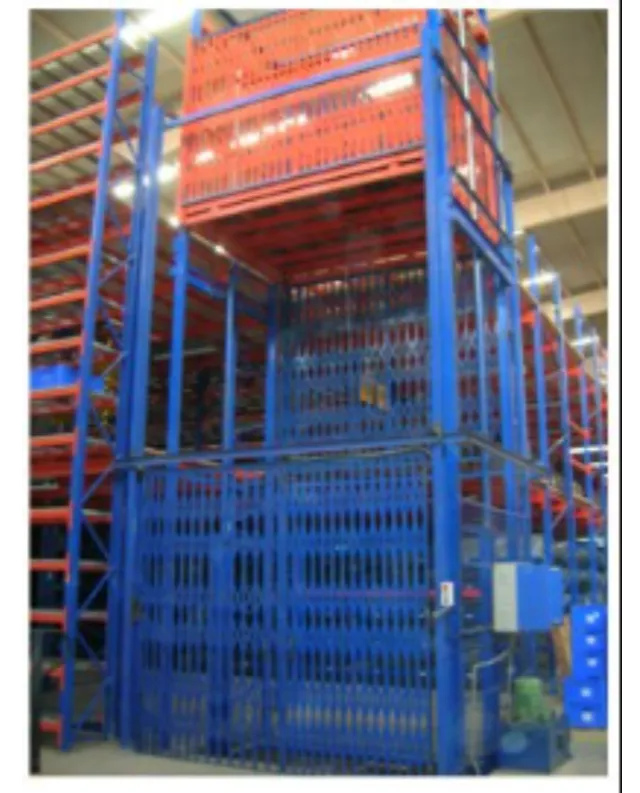
Factories, warehouses, and commercial production units often operate across multiple floors, making the safe movement of materials a daily challenge. An Industrial Goods Lift provides an efficient solution by transporting heavy loads vertically without relying on manual handling methods.
For businesses throughout Mumbai and Maharashtra, goods lifts have become an important part of modern material handling systems that support productivity while improving workplace safety.
What Is an Industrial Goods Lift?
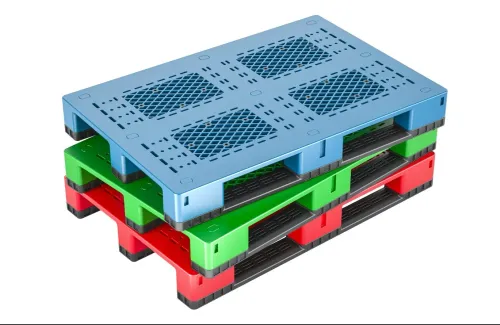
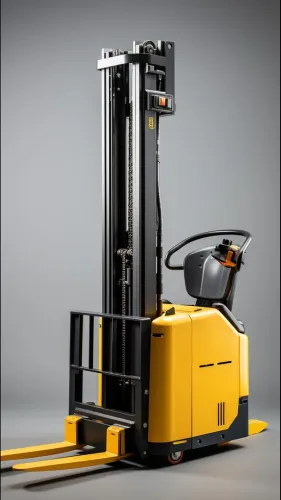
An industrial goods lift is designed specifically for transporting materials, machinery, pallets, cartons, raw materials, and finished products between different levels of a facility.
Unlike passenger elevators, these lifts are engineered to handle heavy loads repeatedly under demanding industrial conditions.
Typical applications include:
- Manufacturing plants
- Warehouses
- Packaging facilities
- Automobile industries
- Textile units
- Pharmaceutical companies
- Logistics centres
Challenges Without a Goods Lift
Moving materials manually between floors can result in:
- Increased labour requirements
- Slower production cycles
- Higher risk of workplace injuries
- Product damage
- Inefficient workflow
- Material handling bottlenecks
Installing a goods lift helps streamline these operations.
Advantages of Industrial Goods Lifts
Improved Productivity
Materials can move quickly between departments without delays, supporting continuous production.
Enhanced Safety
Reducing manual lifting lowers the likelihood of workplace injuries associated with heavy loads.
Better Space Utilisation
Vertical transportation allows businesses to maximise available floor space without disrupting production layouts.
Consistent Material Flow
Reliable movement between floors supports smoother manufacturing and inventory management.
Lower Handling Costs
Automation reduces dependence on excessive manual labour for repetitive transportation tasks.
Choosing the Right Goods Lift
Before installation, businesses should consider:
- Load capacity
- Platform dimensions
- Number of floors served
- Frequency of operation
- Type of materials handled
- Available installation space
- Maintenance accessibility
Selecting a lift based on operational requirements helps improve long-term performance.
Importance of Regular Maintenance
Routine servicing helps ensure reliable operation by checking:
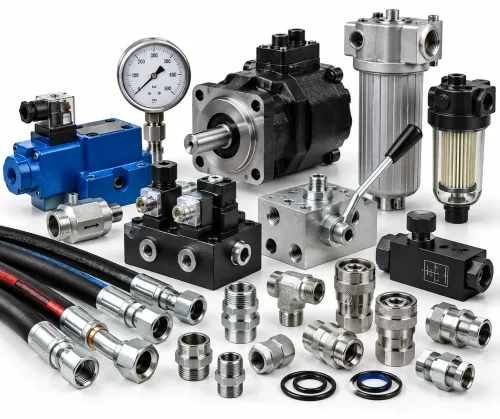
- Hydraulic systems
- Electrical controls
- Safety interlocks
- Guide rails
- Platform condition
- Load-bearing components
Preventive maintenance also reduces unexpected downtime.
Building Efficient Industrial Operations
As industries across Mumbai continue expanding their production capabilities, efficient vertical material movement has become increasingly important. Companies including Robotic Equipments manufacture industrial goods lift solutions designed to support diverse manufacturing and warehousing applications while improving operational efficiency.
Choosing the right goods lift enables businesses to optimise workflows, improve employee safety, and support consistent production across multi-level facilities.
Keywords