Wooden pallets continue to be one of the most widely used material handling solutions across manufacturing, warehousing, logistics, and export industries. Their simple design, durability, and affordability make them suitable for transporting and storing a wide variety of products. Whether a business handles packaged goods, machinery, raw materials, or export consignments, choosing the right wooden pallet can improve operational efficiency and reduce product damage during movement.
Industries in Mumbai and across Maharashtra often manage large volumes of goods every day. From industrial estates to logistics hubs and manufacturing facilities, dependable pallet systems help businesses streamline storage while ensuring safer handling throughout the supply chain.
Why Wooden Pallets Are Still Widely Preferred
Despite the availability of plastic and metal alternatives, wooden pallets remain a practical choice for many industries because they combine strength with cost-effectiveness. They are suitable for both domestic transportation and international shipping when manufactured according to applicable export standards.
Some of the major advantages include:
- High load-bearing capacity
- Easy availability in different sizes
- Cost-effective for bulk requirements
- Repairable if damaged
- Suitable for forklift and pallet truck operations
- Compatible with warehouse racking systems
These qualities make wooden pallets suitable for industries such as engineering, pharmaceuticals, automotive components, food processing, textiles, chemicals, and consumer goods.
Choosing the Right Wooden Pallet
Not every pallet is designed for the same purpose. The right selection depends on the weight, dimensions, storage method, and transportation requirements of the products being handled.
Before purchasing wooden pallets, businesses should consider:
- Static load capacity
- Dynamic load capacity
- Rack load capacity
- Entry type for forklifts
- Wood quality
- Moisture content
- Export compliance if goods are shipped internationally
Understanding these factors helps avoid premature pallet failure and improves warehouse safety.
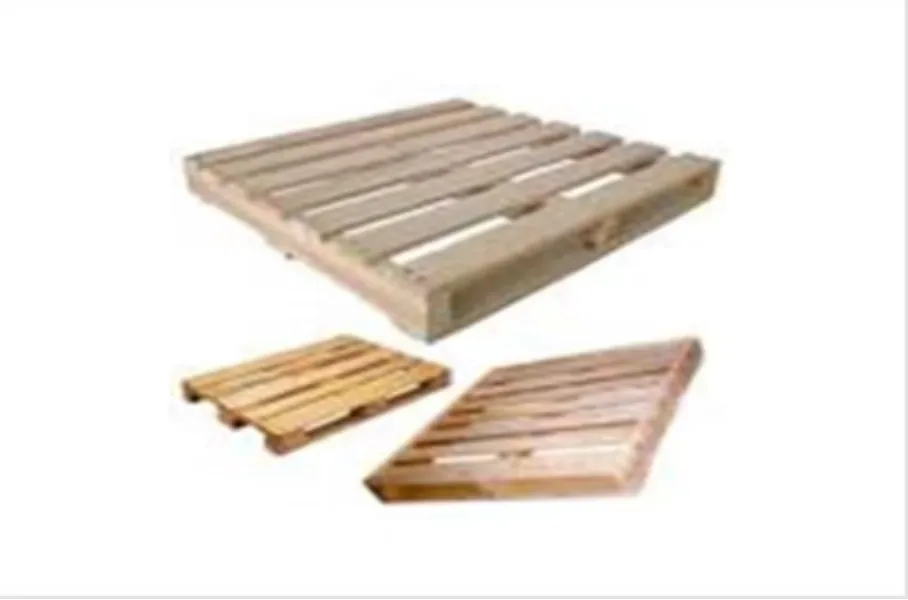
Common Types of Wooden Pallets
Several pallet configurations are available to meet different industrial applications.
Two-Way Entry Pallets
These pallets allow forklift access from two sides and are commonly used for general warehouse operations.
Four-Way Entry Pallets
Forklifts and pallet trucks can access these pallets from all four sides, making product movement quicker and more efficient in busy warehouses.
Block Pallets
Known for their strength and stability, block pallets are suitable for automated handling systems and heavy industrial loads.
Stringer Pallets
These are widely used in manufacturing and distribution facilities where moderate load capacities are sufficient.
Selecting the appropriate pallet design improves storage efficiency while reducing handling time.
Benefits for Warehousing Operations
Warehouse productivity depends heavily on organized storage and safe material movement. Wooden pallets simplify inventory handling by allowing products to be stacked, moved, and stored efficiently.
Businesses often experience benefits such as:
- Better warehouse space utilization
- Faster loading and unloading
- Reduced manual handling
- Improved inventory organization
- Lower risk of product damage
- Enhanced workplace safety
These operational improvements contribute to smoother day-to-day logistics.
Wooden Pallets for Export Applications
Export businesses must follow specific international regulations regarding wooden packaging materials. Heat-treated pallets that comply with ISPM-15 standards are commonly used for overseas shipments.
Using export-compliant pallets helps prevent customs delays while protecting goods during long-distance transportation.
Manufacturers supplying international markets should verify treatment certifications before dispatching export consignments.
Maintenance Tips for Longer Service Life
Proper maintenance extends pallet life and improves workplace safety.
Recommended practices include:
- Inspect pallets regularly for cracks or broken boards.
- Avoid exceeding recommended load limits.
- Store pallets in dry conditions whenever possible.
- Replace damaged components promptly.
- Train warehouse staff in proper handling techniques.
Routine inspection prevents accidents and reduces unnecessary replacement costs.
Industries That Commonly Use Wooden Pallets
Wooden pallets support operations across numerous industries, including:
- Manufacturing
- Engineering
- FMCG
- Pharmaceuticals
- Automotive
- Textile
- Packaging
- Logistics
- Export houses
- Chemical processing
Their versatility makes them suitable for businesses of every size.
Finding the Right Manufacturing Partner
The quality of a pallet directly affects operational safety and long-term performance. Businesses should evaluate factors such as manufacturing capability, customization options, quality control, material selection, and delivery timelines before placing bulk orders.
Companies operating in Mumbai often require pallet suppliers capable of delivering customized dimensions that match warehouse layouts and production requirements. Working with an experienced manufacturer can simplify procurement while ensuring consistent product quality.
Robotic Equipments manufactures industrial material handling solutions designed to meet the varied needs of warehouses, factories, and logistics businesses. Choosing well-designed wooden pallets suited to the intended application can improve operational efficiency, reduce handling costs, and support smoother material movement throughout the supply chain.
Keywords